
Miami-Dade · Divorce
Miami Divorce Lawyer for Every Stage of the Process
Divorce is a legal process, but the decisions are personal: where you will live, how you will manage expenses, what happens to your property and how you will parent after separation. Laguna Legal helps clients in Miami-Dade address those questions with direct guidance from attorney Milagros “Millie” Laguna.

Overview
Start with the issues that need to be resolved
Florida uses the term “dissolution of marriage” for divorce. Before choosing forms or agreeing to terms, identify the decisions your case requires. An apparently simple divorce may still involve a retirement account, joint debt or an unresolved support question.
We handle uncontested, contested and high-asset divorces, including marriages with or without children and cases involving shared or premarital assets.
Your starting position matters. You may be exploring divorce, working toward an agreement or responding to papers already filed. Bring any existing court documents so deadlines and prior decisions can be considered first.
Source: Florida Statutes, Chapter 61 (opens in a new tab) — Dissolution of Marriage; Support; Time-Sharing.
Route by case
Which kind of divorce is yours?
Each page goes deeper on one situation. Not sure? Start with a consultation and Millie will place it.
The issues
Children, property and support

Divorce with children
A divorce involving children requires attention to both parenting and financial support. Discuss the regular schedule, school and medical decisions, holidays, transportation and how parents will exchange information. A parenting arrangement should be understandable enough to use in daily life, during an ordinary school week as well as vacations, illness and schedule changes.
Shared property and premarital assets
The name on an account or deed does not always answer how an asset should be treated. Florida’s equitable distribution law distinguishes marital and nonmarital interests, and property acquired before marriage can require further analysis when funds or efforts during the marriage affect it. See Florida Statutes, section 61.075 (opens in a new tab).
Explore high-asset divorceSupport and financial disclosure
Child support and alimony are different issues. Neither should be resolved through assumptions about what a friend received in another case. Your attorney needs an accurate picture of income, expenses, parenting arrangements and other relevant circumstances. Avoid signing a waiver or proposed agreement before understanding its effect on your situation.
Ask about your situationDivorce without children or substantial assets
Having few assets does not mean there is nothing to resolve
Without child-related issues, the focus may be property, debt, support and completing the required procedure. Items that still deserve attention include:
- Credit cards, a car loan or other joint debt.
- Retirement savings, even in one spouse’s name.
- A lease, a vehicle or a shared account.
- Any support question, requested, agreed or waived.
List what each spouse owns and owes, even if you expect to keep everything currently in your own name. This gives your attorney a clearer basis for evaluating an agreement.
The process
What the divorce process can involve
Agreed cases skip most of the middle. Disputed cases pass through every step.
Assessment
The work begins with an assessment of the issues and the available records, including any papers already filed.
Filing or responding
One spouse files a petition for dissolution in circuit court; the other responds. Deadlines depend on the papers and procedural situation.
Exchanging information
Both spouses exchange required financial information. Do not assume agreement removes disclosure requirements.
Temporary needs
Housing costs, access to funds and parenting arrangements may need attention while the case proceeds.
Negotiation or court
Terms are negotiated, mediated or, where issues remain disputed, presented to the court for decision.
Final judgment and after
Final judgment ends the marriage. An agreement may also require later steps such as refinancing, transferring property or implementing retirement provisions.
Eligible divorces can be handled by email and Zoom.
Laguna Legal offers attorney-led remote handling for eligible divorce matters. Court attendance requirements remain subject to the judge, county and case. Millie tells you which requirements apply before you decide.
See if your case qualifies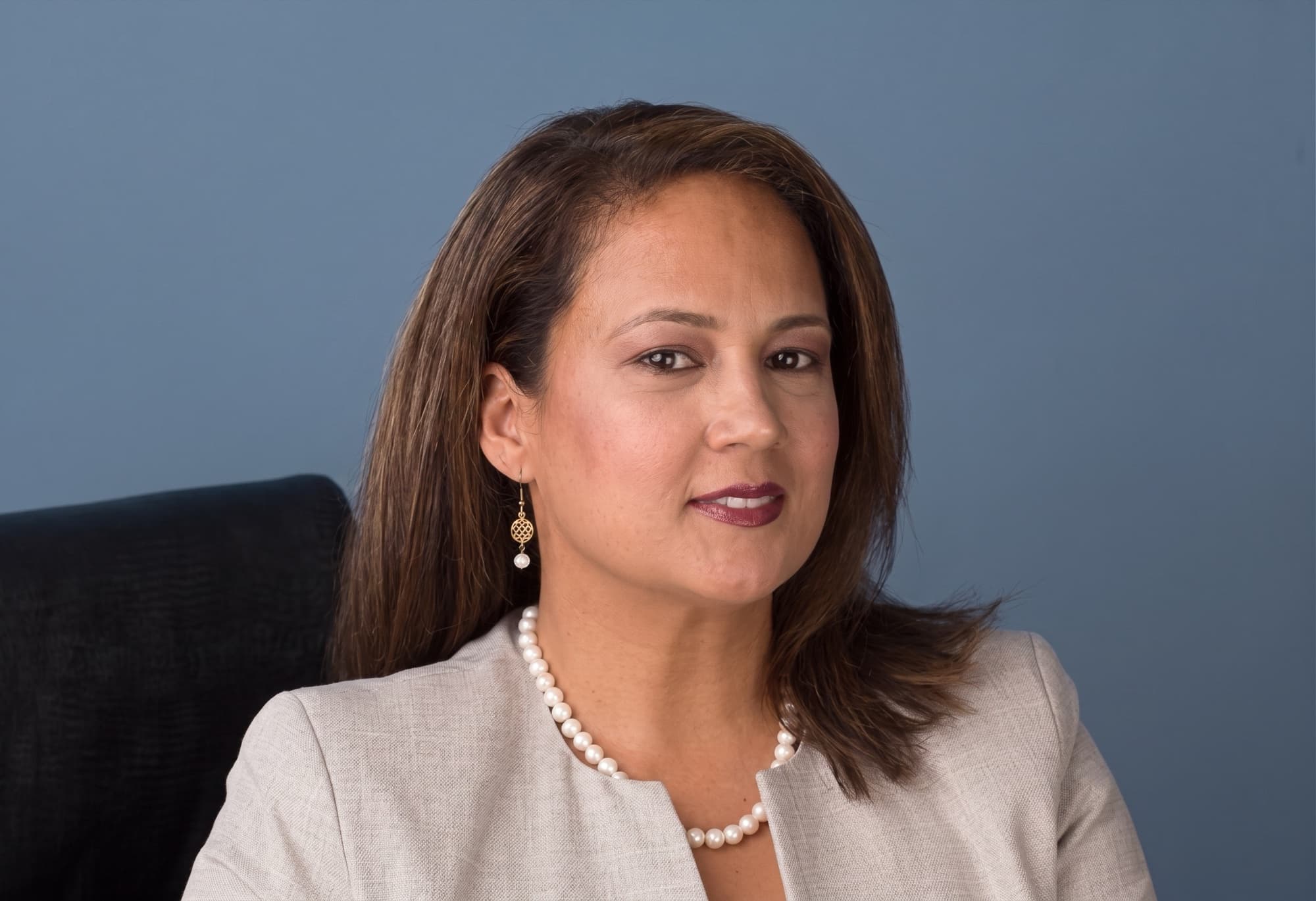
Your attorney
One attorney, start to finish.
Milagros “Millie” Laguna was admitted to The Florida Bar in 1998 and attended the University of Florida’s Fredric G. Levin College of Law.
You work directly with Millie: she is the person you speak with about your documents, your questions and the next step in your case.
Meetings in English or Spanish, by video or in person at Sunset Center in Kendall.
For eligible divorce matters, email and Zoom from documents through final judgment.
Common questions
About divorce in Miami
- What if we have no assets to divide?
- A divorce without major property still requires the appropriate documents and court procedure. Review any debts or support questions before assuming there is nothing to resolve beyond ending the marriage.
- Does a short marriage automatically qualify for simplified dissolution?
- No. Simplified dissolution has specific eligibility requirements. The length of the marriage alone does not establish eligibility.
- How long will my divorce take, and what will it cost?
- The answer depends on agreement, complete information, service, court scheduling and the work required. Discuss your circumstances and the proposed fee arrangement before proceeding.
- What should I prepare for the first conversation?
- Make a short list of your priorities, the issues you and your spouse agree on, and the issues still open. Have any court papers, agreements and basic financial records available. You do not need to solve the whole case before requesting a consultation.
Next step
Discuss your divorce with Millie.
By video or in person, in English or Spanish. Contacting Laguna Legal does not create an attorney-client relationship.